Fabric, weather claims, closures and layering room
Short jacket
A clearer break above the lower half
Hem position against trouser rise or skirt volume
How should a coat fit over knitwear?
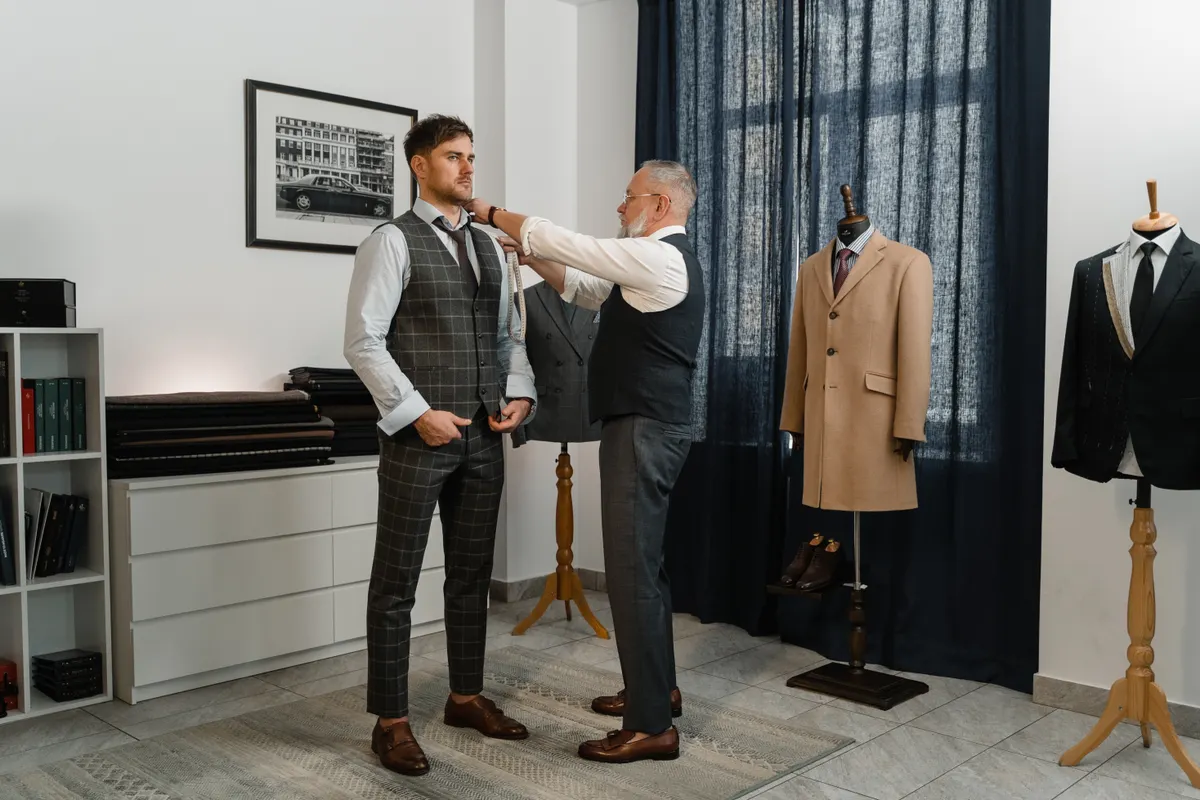
Try the layer you expect to wear rather than judging a coat over a thin fitting-room top. Fasten it, reach forward and sit down. Check the collar, upper arm, sleeve and pocket position as well as the front view. An oversized or dropped shoulder may be intentional; pulling at a closure is a different issue. Ask a tailor about feasibility before assuming a shoulder or armhole can be changed easily.
How do you compare wool coats and trench coats?
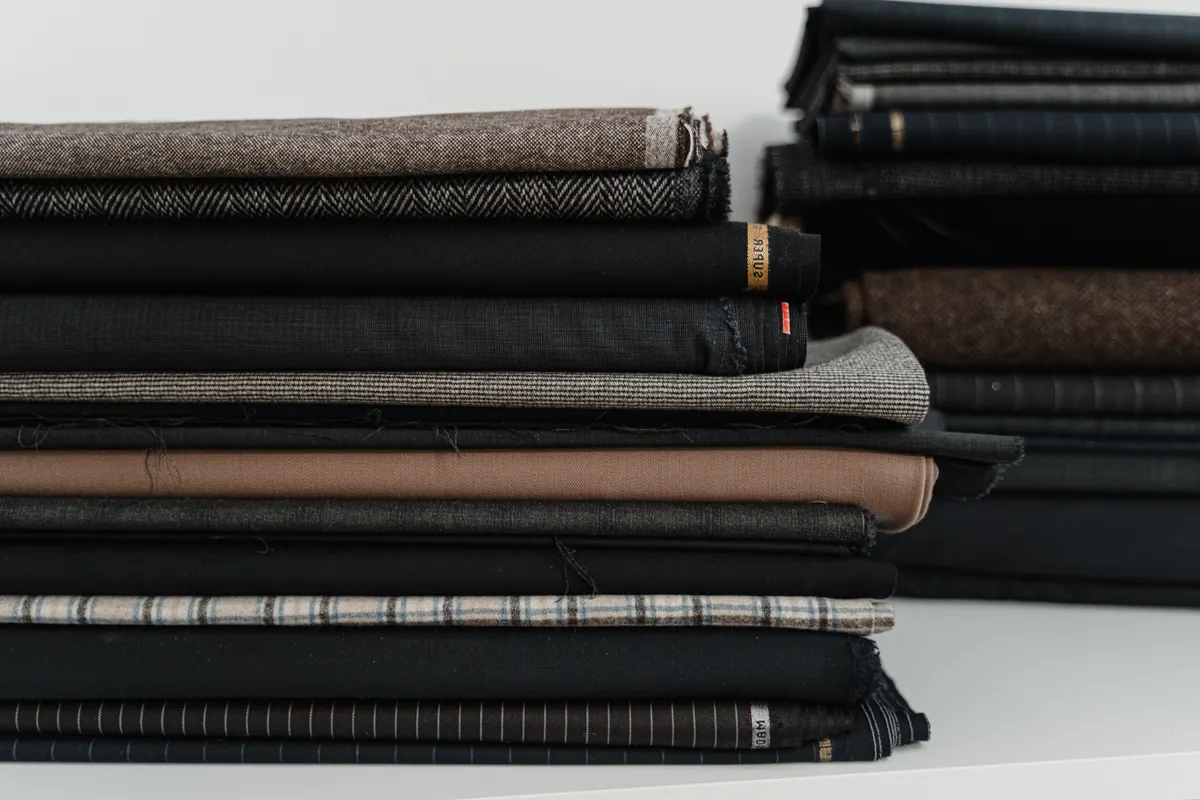
Start with the climate and the conditions you need the garment to handle. Wool content alone does not establish warmth, and a trench silhouette does not establish waterproofing. Weight, lining, construction and documented weather performance all matter. Max Mara’s official 101801 reference and Burberry’s trench-coat pages offer useful design context. Verify the exact regional model and its current specifications rather than transferring a claim from one version to another.
Which designer directions suit a tailoring brief?
Compare Giorgio Armani and Zegna for different tailoring directions, and Max Mara for women’s coats and separates. Brunello Cucinelli and Loro Piana provide other research contexts for tactile layers. These are starting points, not an assertion that every collection carries the same fit or fabrication. State the garment role first: a jacket for working mornings, a coat for a regular commute or an outer layer for an occasion.
How do colour and length change the impression?
Ink navy and charcoal can make a quieter foundation; camel, ivory or stone can bring contrast to a darker base. Try the colour near your face in ordinary light and choose the effect you enjoy. A shorter hem can reveal more of a high-rise trouser, while a longer coat can create an uninterrupted column. Keep the proportions you prefer without treating height or colour-season categories as rules. Confirm care and return conditions before altering a sleeve or hem.
Designer names are editorial research directions, not partnerships or verified stock. Current retailer-directory links earn no commission; approved earning links will be individually disclosed. Confirm exact products, regional delivery and returns with the retailer.
Style a lady jacket with a simple base and enough room to move: straight jeans for a relaxed day, tailored trousers for work, or a fluid skirt for dinner. A funnel-neck jacket draws attention upwards; test the collar fastened and open before choosing the neckline underneath. Neither shape needs an entirely new wardrobe.
How do you style a lady jacket with jeans?
Start with straight-leg denim, a plain cotton top and familiar loafers. Let the jacket finish near the trouser waistband if you want the leg line to remain visible. If the jacket is longer, try it open over a tucked top. A decorative button or textured weave already supplies detail; a simple bag leaves that detail room.
Five original jacket outfit formulas
Plan
Formula
Check in the mirror
Everyday
Collarless jacket + cotton tee + straight jeans + loafers
Can you reach forward without the back pulling?
Work
Short jacket + fine knit + full-length trousers + flats
Check the trouser hem with the actual shoe.
Dinner
Textured jacket + simple shell top + fluid skirt + small bag
Sit with the collar fastened; check chin clearance.
Cool morning
Lady jacket + thin base layer + roomy overcoat
Check that the outer sleeve does not compress the jacket.
How should a funnel-neck jacket fit?
Fasten the collar, turn your head, sit down and reach forward. It should leave comfortable space around your neck and underarms with your intended layers. Pair a fuller jacket with a straighter lower half to test the balance; a wide trouser also works when the jacket hem and volume feel deliberate. Avoid adding a bulky scarf inside an already close collar.
Which outer layer suits your weather?
Choose outerwear by use, not its name
Layer
Useful starting point
Verify before buying
Short jacket
Mild days and indoor-to-outdoor dressing
Coverage, lining and room for a knit
Trench coat
A longer layer for changeable days
Actual water-resistance claims; cotton alone is not proof
Wool coat
Cool-weather layering
Composition, lining, closure and room for your usual outfit
Editorial context: Vogue’s October lady-jacket report and autumn jacket coverage identify these silhouettes in current fashion. The formulas above are Resevaria’s own styling exercises, not product tests or claims that one shape suits everyone.