EDITION 01 / THE PRACTICAL NOTEBOOK
A work bag should work.
Begin with the commute you have, the objects you carry and the silhouette you enjoy. A beautiful bag earns its place through use.
Start with the load, not the logo
Lay out the items that travel with you on an ordinary working day: laptop and sleeve, charger, notebook, water bottle, keys and any personal essentials. Measure the largest rigid object with its protective case. A diagonal laptop screen size does not tell you the outer width and depth of the device. Compare those measurements with the bag’s usable compartment and opening, not only its external dimensions.
Ask the retailer when a specification is missing. A bag that can accommodate an object at an angle may still be awkward to open or close in daily use. Leave enough room to remove the laptop without emptying everything above it. For a commute, consider whether the closure and arrangement suit the way you travel.
Compare carrying options with your outerwear
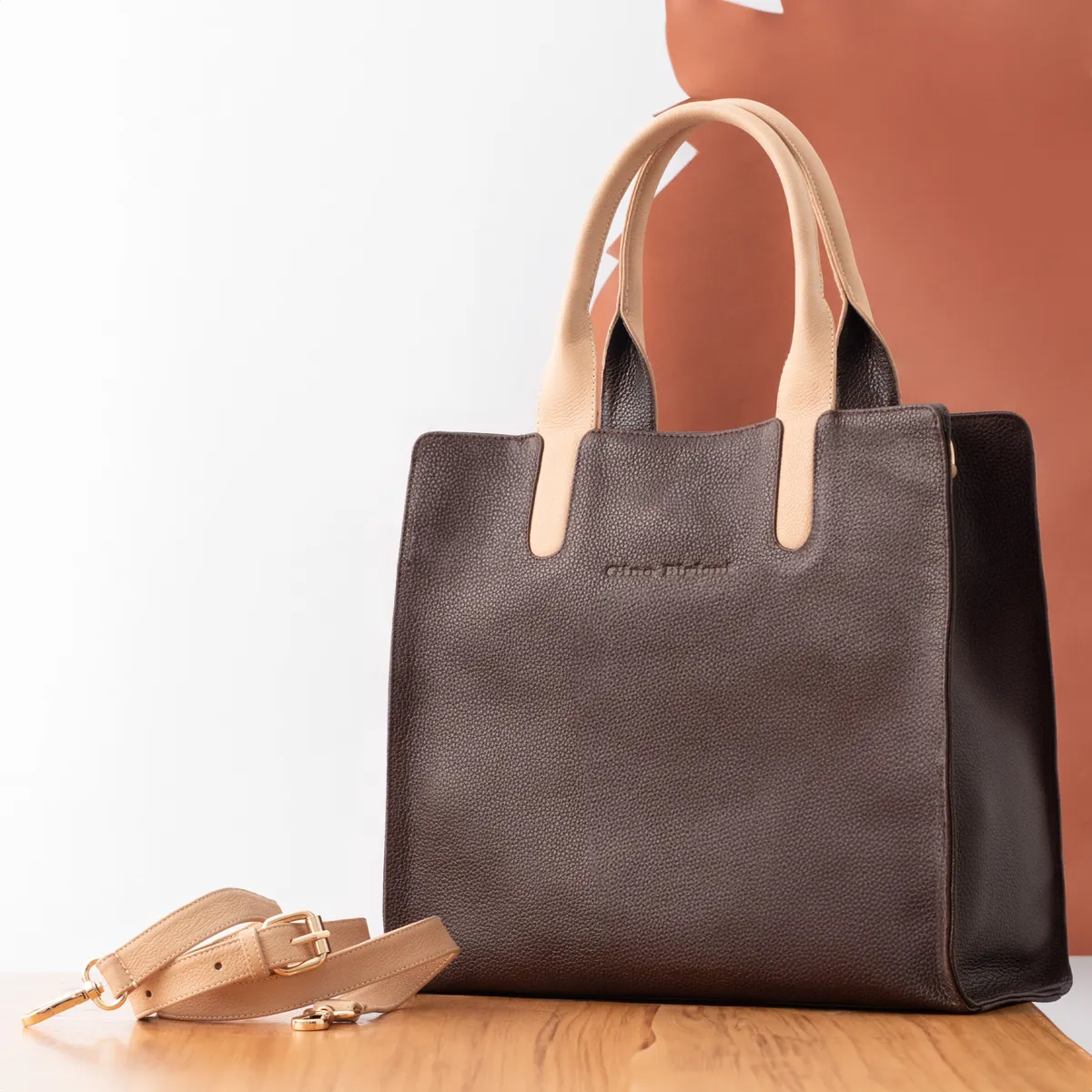
A shoulder strap needs to work over the coat or jacket you actually wear. Check the published strap drop and adjustment range, and distinguish a decorative handle from a carrying option intended for a loaded bag. If an in-person fitting is available, compare comfort with an appropriate representative load under the retailer’s rules. A photograph cannot establish loaded comfort.
A tote can offer accessible space; a more divided bag may keep objects apart. Neither is inherently the better choice. Consider where the bag will sit, whether you need hands free, and whether an internal sleeve or organiser reduces usable capacity. A removable insert also adds weight and cost.
Choose the finish for the routine
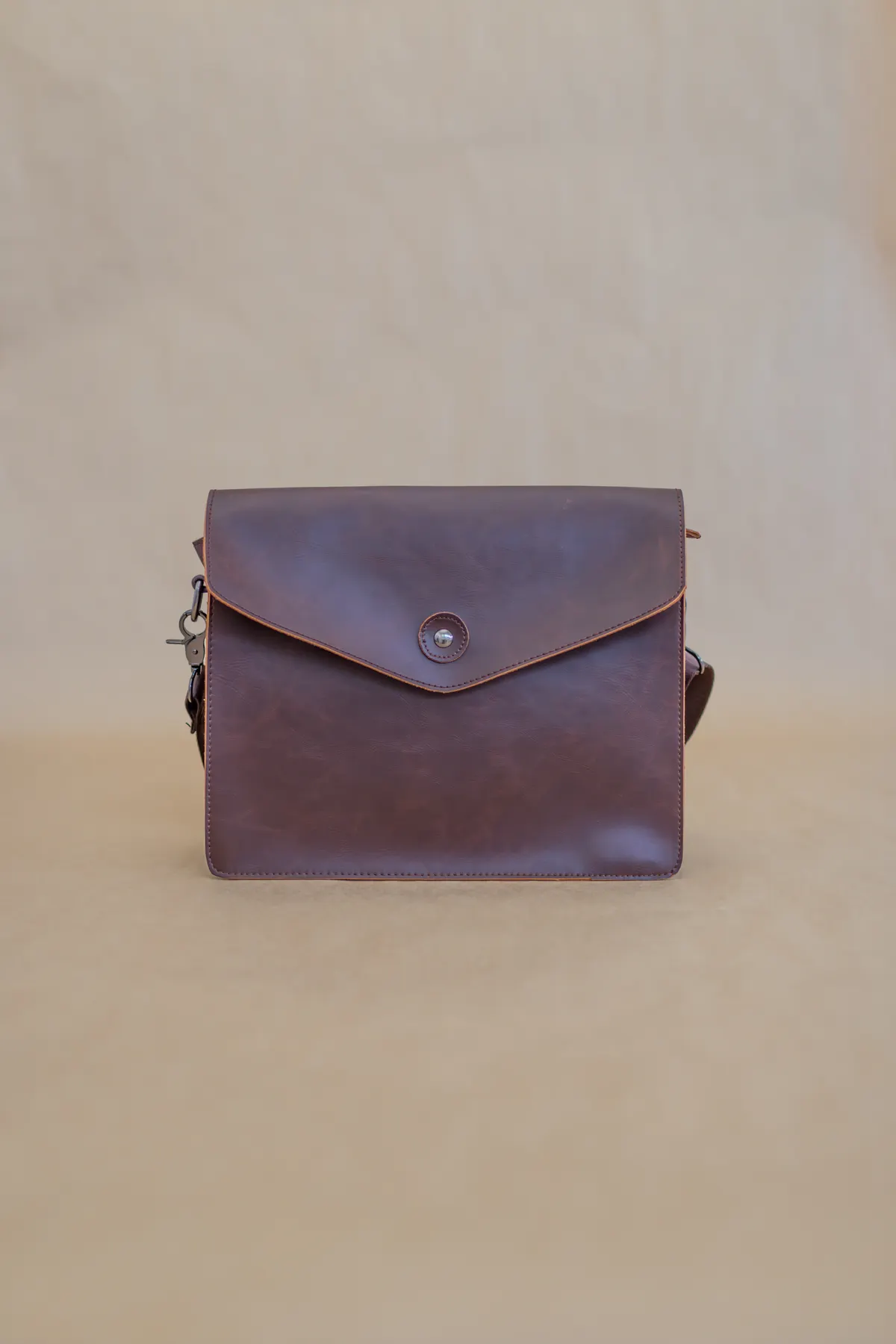
A smooth, grained, woven or suede surface gives a different visual character. Read the exact material and care instructions rather than assuming a finish is waterproof, scratchproof or maintenance-free. Consider rain exposure, crowded transport and how you store the bag at work. Ask about cleaning and repair support for the specific model.
Bottega Veneta, Loewe and Ferragamo are useful luxury research directions; Coach and contemporary leather-goods labels offer another price context. These names are starting points, not a recommendation of an unverified model or a promise that every bag from a house suits a laptop.
Keep the purchase decision separate from resale
Define a budget that includes known delivery, care and any insert you need. Read the regional return conditions before loading or using the bag beyond permitted fitting. Do not assume an “investment” bag will retain its price. The useful return here is repeated service in your wardrobe.
Compare two or three exact candidates using the same fields: reference, usable dimensions, opening, closure, strap range, empty weight if supplied, material and return destination. Mark absent information as unknown. The most expensive candidate should have to answer the same practical questions as the least expensive one.
Use the checklist while reading. It resets when the page reloads; the checkboxes do not send answers or contact details.