THE RESEVARIA STYLE SERVICE
How to choose a designer bag you will actually use
Choose the job before the label. A good shortlist begins with your routine.
1. Write down a normal day
List what you carry: phone, keys, wallet, glasses, a bottle, or a laptop. Measure the largest item. Compare those measurements with the bag’s usable opening and internal space, not only its exterior dimensions. A curved or divided interior may offer less practical space than the silhouette suggests.
2. Decide how you want to carry it
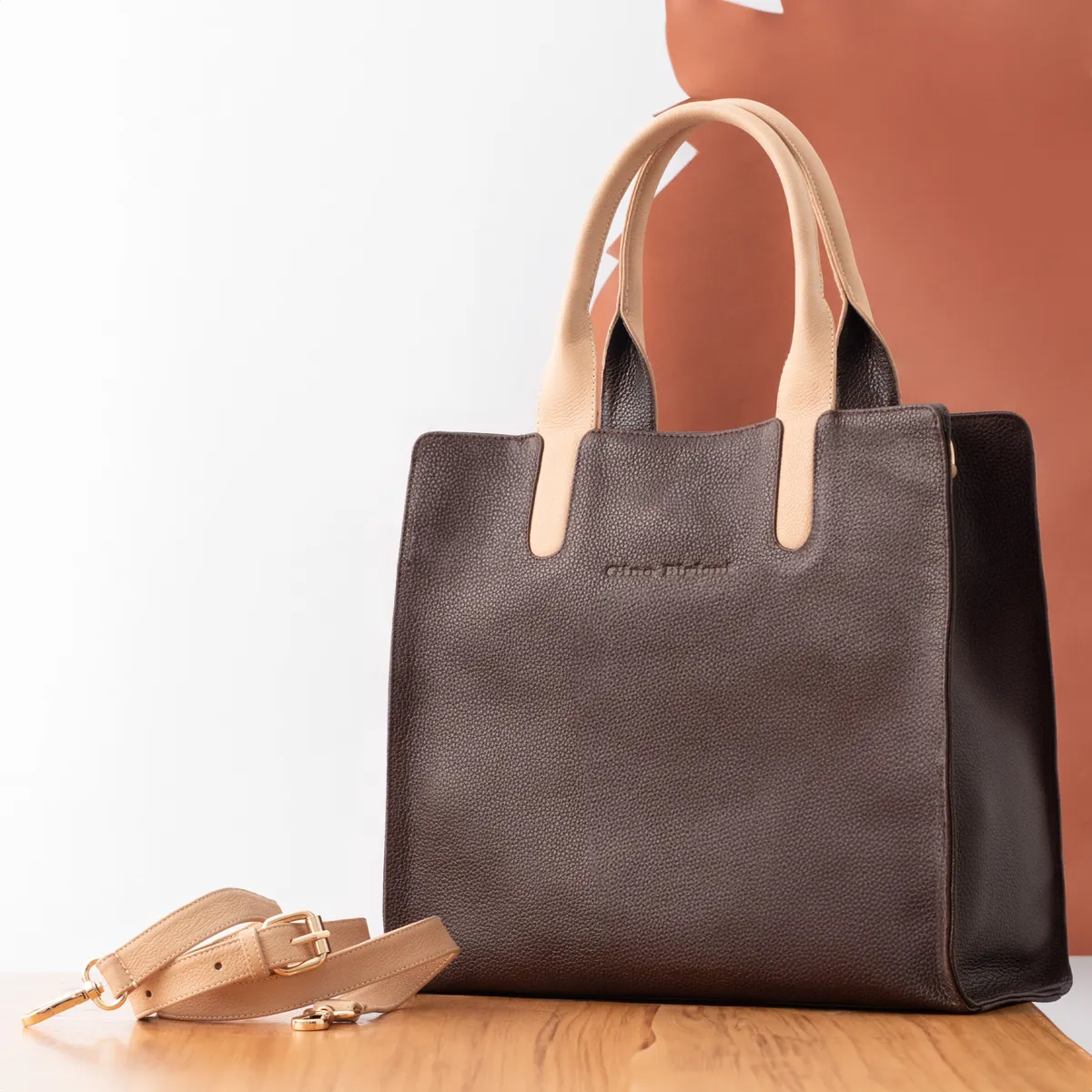
A top handle, shoulder strap and crossbody strap solve different problems. Check the stated strap drop and whether the strap adjusts or detaches. Think about wearing the bag over a coat. If possible, try the bag with your normal load and walk with it; an empty display bag cannot tell you how it will feel during a commute.
3. Inspect the details that affect daily use
- Opening: can you reach your essentials without setting the bag down?
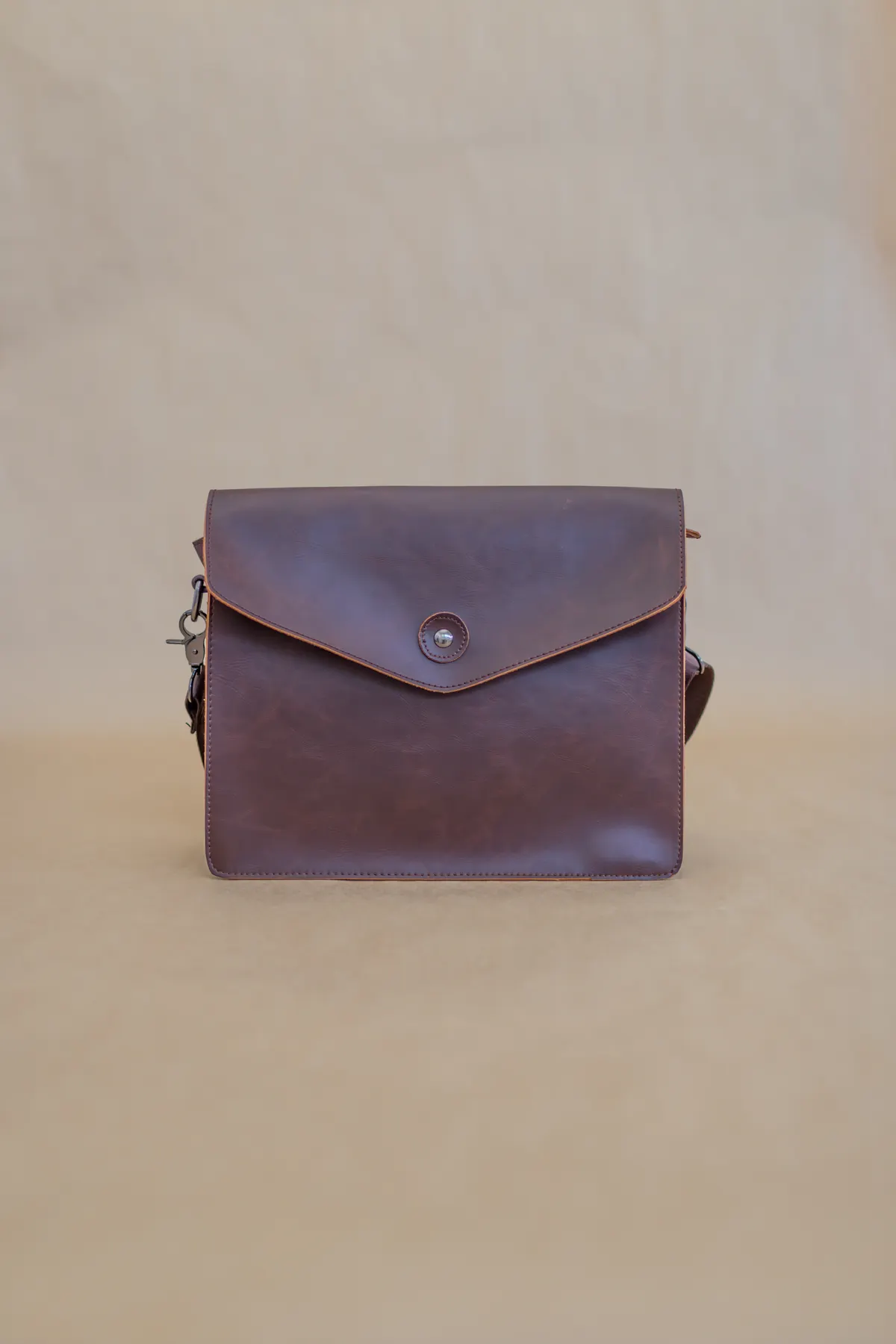
- Closure: does the fastening suit crowded travel and the way you use the bag?
- Weight: consider the empty weight plus your usual contents.
- Interior: are compartments useful, or do they take space from larger items?
- Care: read the maker’s instructions for the specific material and finish.
4. Set a budget without assuming resale value
Purchase a bag because you can afford and use it. Future resale value is uncertain. A simple cost-per-wear estimate can help compare your own options: an illustrative $1,200 bag used 200 times costs $6 per use before care, repairs or resale. This is arithmetic, not a prediction of how long a bag will last.
5. Make a shortlist of three
For each candidate, record dimensions, strap details, weight if provided, material, total delivered price and return conditions. Mark unknown information as unknown. If an important detail is missing, ask the retailer before ordering instead of guessing from photographs.
Before you pay
Confirm the seller, exact style reference and return eligibility. Keep the product description and order confirmation. A low price alone does not establish value, authenticity or suitability.
This is a shopping framework, not a hands-on product review or a guarantee of performance. Check the exact item and retailer terms before buying.
Explore the retailer directory ↗What should a bag comparison record contain?
Record the exact model or style reference, outer and usable inner measurements, weight if supplied, strap range, closure, material, lining, included accessories and stated repair options. Keep unknown fields marked unknown. A photo cannot settle capacity or condition, and two bags with similar names may have different dimensions.
| Use | Check first | Test with the outfit |
|---|---|---|
| Workday | Usable space, secure closure, carrying weight | Strap over your usual coat; access to essentials |
| Evening | Phone and key capacity; fastening | Chain or handle against delicate fabric |
| Travel | Access, closure and carrier requirements | Comfort with a representative load |
For style-led designer alternatives, read the Investment Bags edit. This checklist serves a different purpose: deciding whether an exact listing works for your routine.
Investment Bags: outfit and designer direction · Bag collections
THE RESEVARIA NOTEBOOK
Make a comparison card for each bag
Record the exact model reference, dimensions, opening, closure, strap adjustment and material. Measure the objects you carry, including a laptop sleeve if you use one. External dimensions do not establish the size of an internal compartment or the usable opening. If the retailer does not provide enough detail, ask before ordering. Compare the seller’s care, repair and return information alongside the bag itself. This method gives you a practical shortlist; it does not certify authenticity or guarantee a particular model’s durability.
THE INVESTMENT EDIT
Tote or shoulder bag?
Choose a tote when its usable interior fits your larger daily load and you can carry that load comfortably. Choose a smaller shoulder bag when you need fewer belongings and prefer a closer silhouette. These categories overlap: a tote can have shoulder straps. Compare the exact dimensions, closure and carry position rather than relying on the category name.
| Decision | Tote | Smaller shoulder bag |
|---|---|---|
| Daily contents | Check laptop, bottle and papers together | Check phone, wallet, keys and any glasses case |
| Closure | An open top may be inconvenient on crowded transport | A flap or zip still needs to be easy to use |
| Strap | Test the drop over your actual coat | Check slipping and comfort while walking |
| Weight | Try the loaded bag, not only the empty sample | Hardware and chains can add weight even to a small bag |
| Care | Check the exact finish and lining instructions | Check the same details; size says nothing about durability |
Does a higher price mean a better everyday bag?
Price alone cannot establish comfort, construction or suitability. Examine seams, edge finishing, lining, hardware movement and the seller’s repair information. A beautiful bag that cannot hold your essentials has failed your brief. Treat resale as uncertain; make the purchase work within your budget without depending on a future sale.