EDITION 01 / THE PRACTICAL NOTEBOOK
The invitation is the brief.
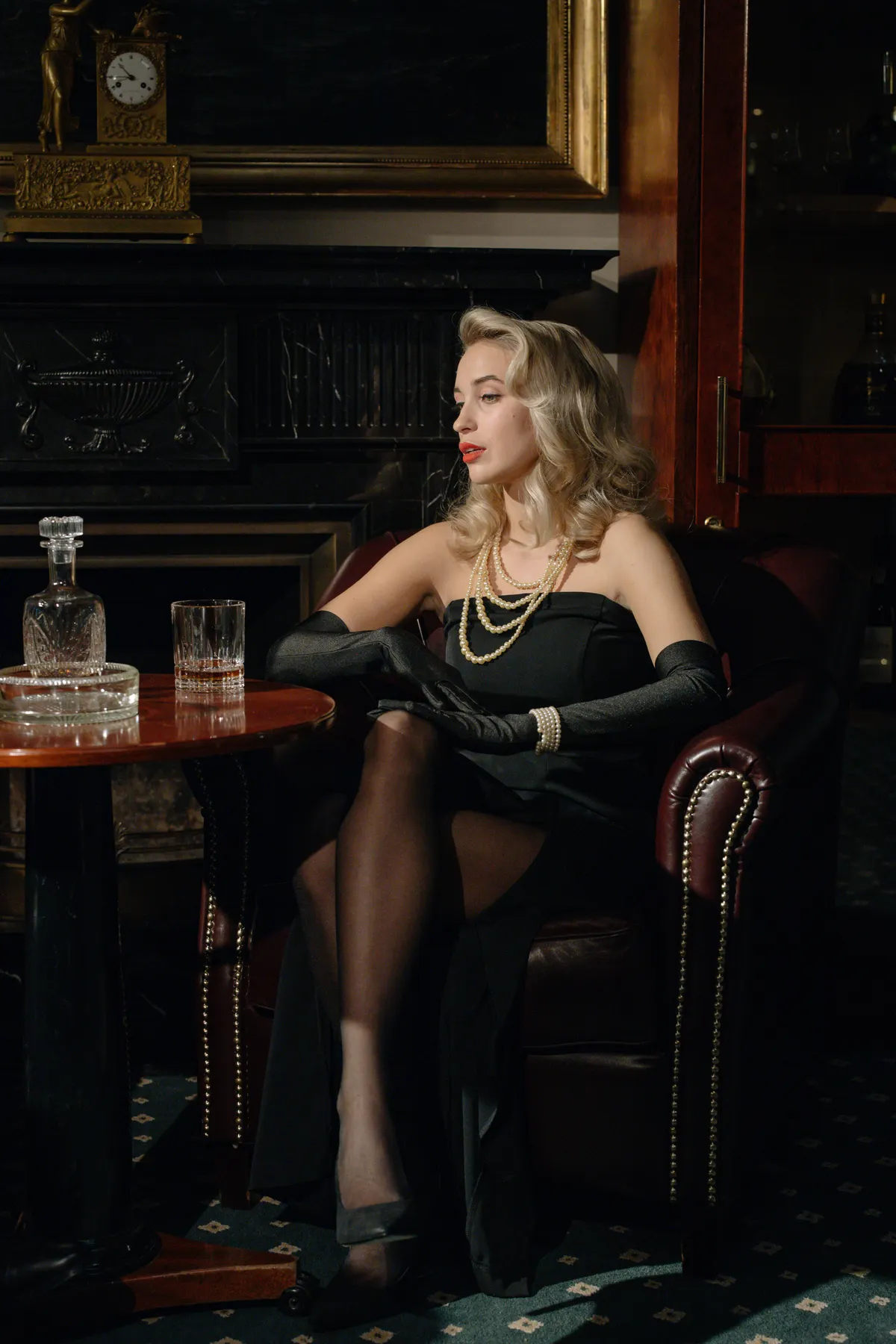
A composed occasion look begins before the fitting. Read the setting, define the silhouette and give the finishing details time to settle.
The styling idea
Write down the host’s stated dress code, the venue, the time of day and any cultural or religious expectations. Ask the host when a term is unclear. A general dress-code article provides context; it does not override the invitation or tell you what a particular community expects.
Choose the impression you want within that brief: a long, fluid line; a more defined shoulder; or a restrained base with one expressive detail. Navy, charcoal, deep green or a softer neutral can give different effects under evening light. For weddings, clarify any requested or reserved colours rather than assuming a generic rule is enough.
The wardrobe
A formal direction might begin with an evening gown, a tuxedo-inspired suit or another polished silhouette that meets the host’s requirements. For a less formal dinner, a silk-crepe top with tailored trousers may serve. These are styling briefs, not a declaration that a trouser suit is suitable for every invitation.
Compare Giorgio Armani, Saint Laurent and Tom Ford for different tailoring directions; Max Mara, Valentino and premium contemporary eveningwear provide other starting points. Verify the exact garment’s composition, opacity, lining and size information. A photograph cannot prove how the garment will behave when seated or under the venue’s lighting.
Balance proportion on your own frame. A defined waist can sharpen a fluid lower half; a straighter jacket can create a quieter column. Try the neckline with your preferred underlayers, and discuss difficult shoulder or armhole issues with a tailor before buying on the assumption that they are simple alterations.
Finishing details
Choose the shoe before setting the final hem. Bring the intended hosiery and underlayers to the fitting, and walk, sit and use a step where it is safe to do so. The hem should serve movement as well as the standing silhouette. Decide how outerwear will sit over the outfit and where the bag must fit a phone or other necessities.
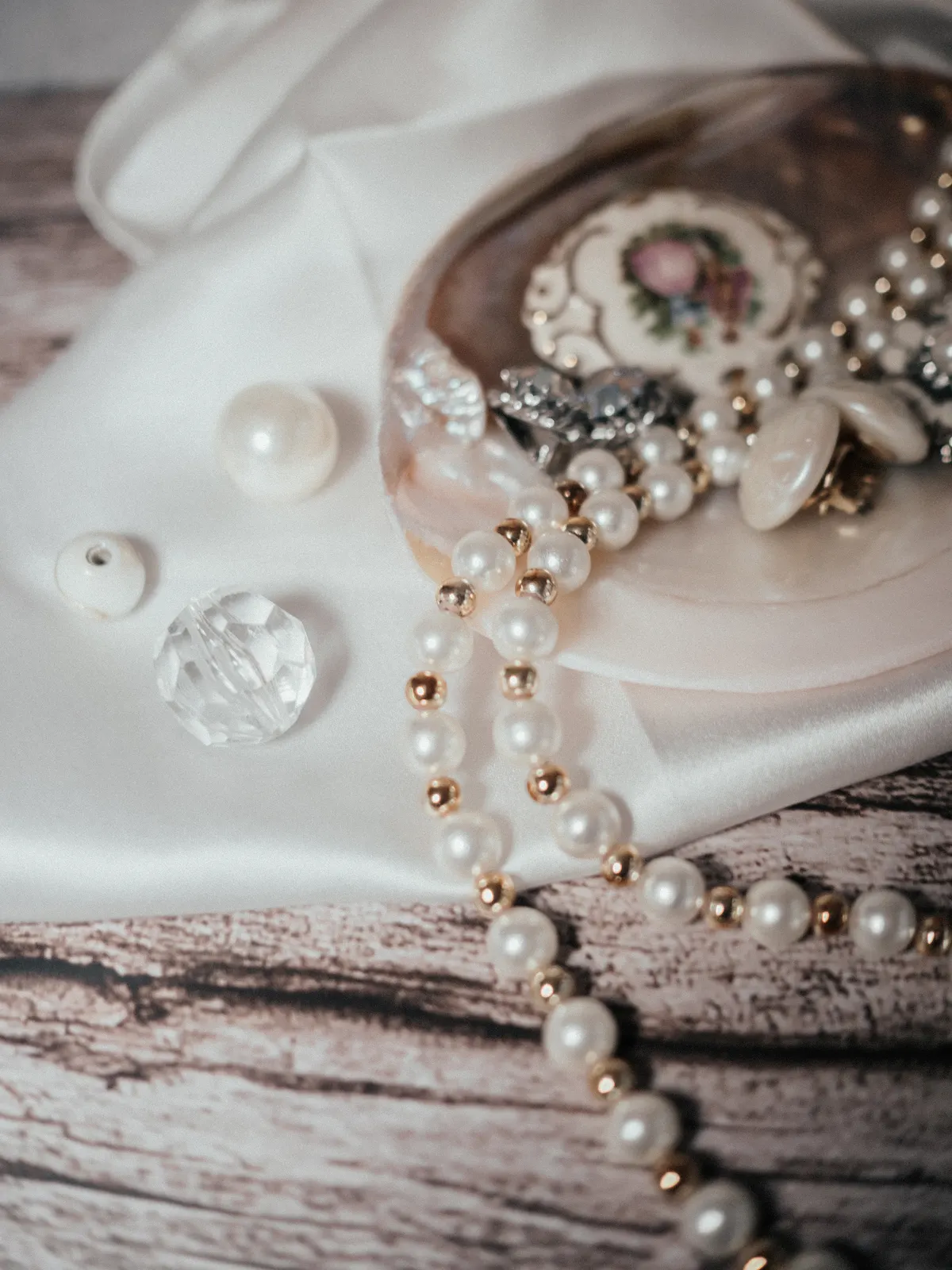
Let the neckline inform the jewellery. A sculptural earring may make a necklace unnecessary; an open collar can support a pendant. Use familiar hair and beauty techniques before the event, and make any appointment with enough time to discuss the result. Do not infer product suitability from a celebrity reference or campaign image.
The fitting rehearsal
Do a complete rehearsal in ordinary indoor light, then record what changes when you move. Check fastenings, lining, straps and the position of jewellery against delicate fabric. A photograph of the full outfit can reveal a proportion you miss while concentrating on one garment.
Follow the complete garment’s pressing and care label. If garment tape or another temporary aid is considered, follow its instructions and check suitability for the fabric and wearer; do not rely on it to fix a fundamentally poor fit. Keep alterations and any special care within the budget and settle return decisions before modifying the garment.
Use the checklist while reading. It resets when the page reloads; the checkboxes do not send answers or contact details.